Rekeying a Lock: What It Changes and What It Doesn't
Understanding the Difference Between Rekeying and Replacing
When you move into a new home or lose a key, the question of lock security comes up fast. Many homeowners assume the only way to restore control is to replace the entire lock. But there is another option that costs less and takes less time: rekeying. Understanding what rekeying actually changes - and what it leaves untouched - helps you make a smarter decision about your home lock installation.
Rekeying is the process of changing the internal pins inside a lock cylinder so that a different key operates it. The lock body, the strike plate, and the hardware you see from the outside stay the same. Only the internal mechanism that matches key to lock gets reconfigured. This means you can hand a new key to family members while the old keys no longer work, all without removing the lock from the door.
What rekeying does not change is just as important. The physical strength of the lock, the quality of the deadbolt, and the fit of the strike plate all remain exactly as they were. If your current lock is already a solid, well-installed unit, rekeying makes perfect sense. But if the lock is worn, loose, or from a budget line, rekeying only addresses the keying issue - it does not upgrade the hardware. For many homeowners, the most reliable options for changing locks involve either rekeying the existing hardware or replacing it entirely, depending on the condition of the lock.
Because rekeying only touches the cylinder, it leaves the rest of the lock set untouched. That is a benefit when the hardware is in good shape, but a limitation when it is not. A lock with a wobbly handle, a corroded latch, or a misaligned strike plate will still have those problems after rekeying. The work is purely about key compatibility, not about mechanical repair.
How Rekeying Works in Practice
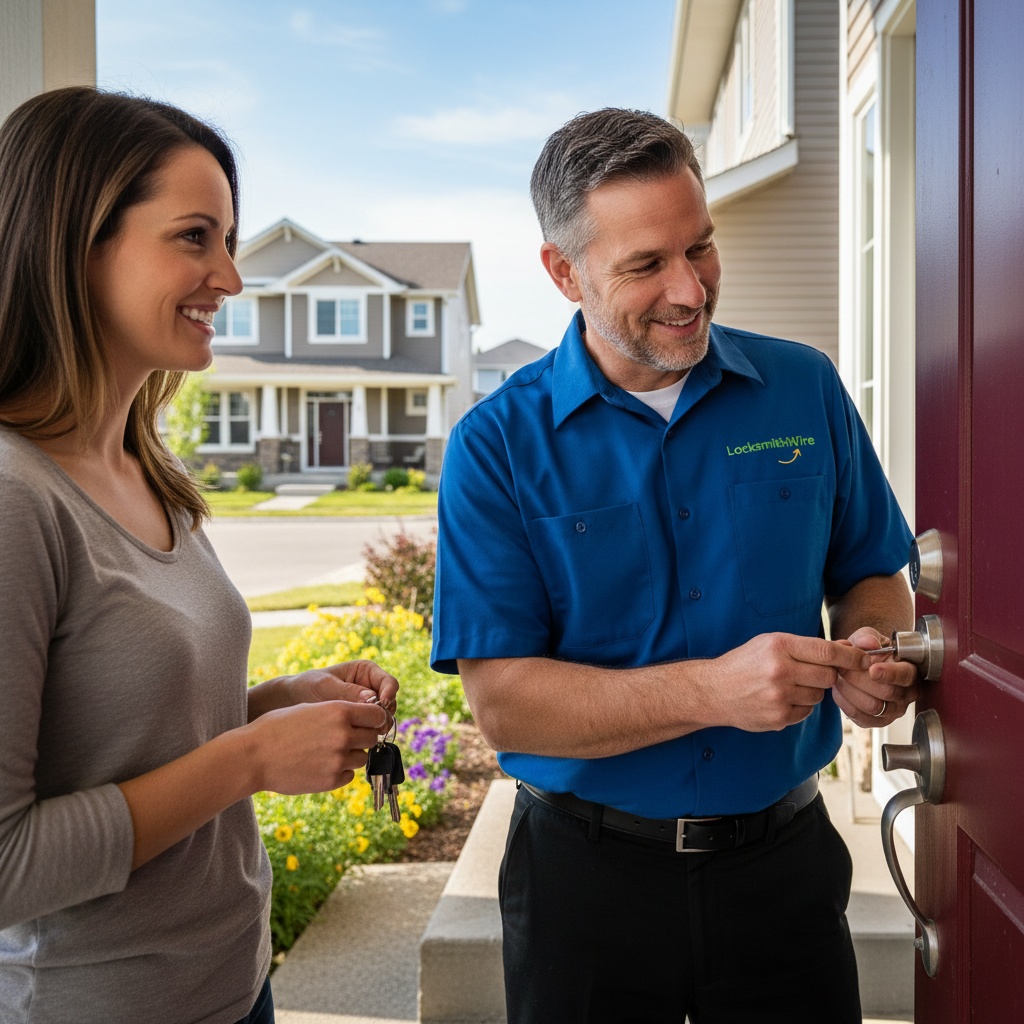
A locksmith removes the cylinder from the lock, takes out the existing pin stack, and inserts a new set of pins that match a different key. The cylinder is then reassembled and reinstalled. The whole process takes a few minutes per lock, and the result is a lock that operates with a new key. The old key will still fit into the keyway but will not turn the cylinder because the pin heights no longer align.
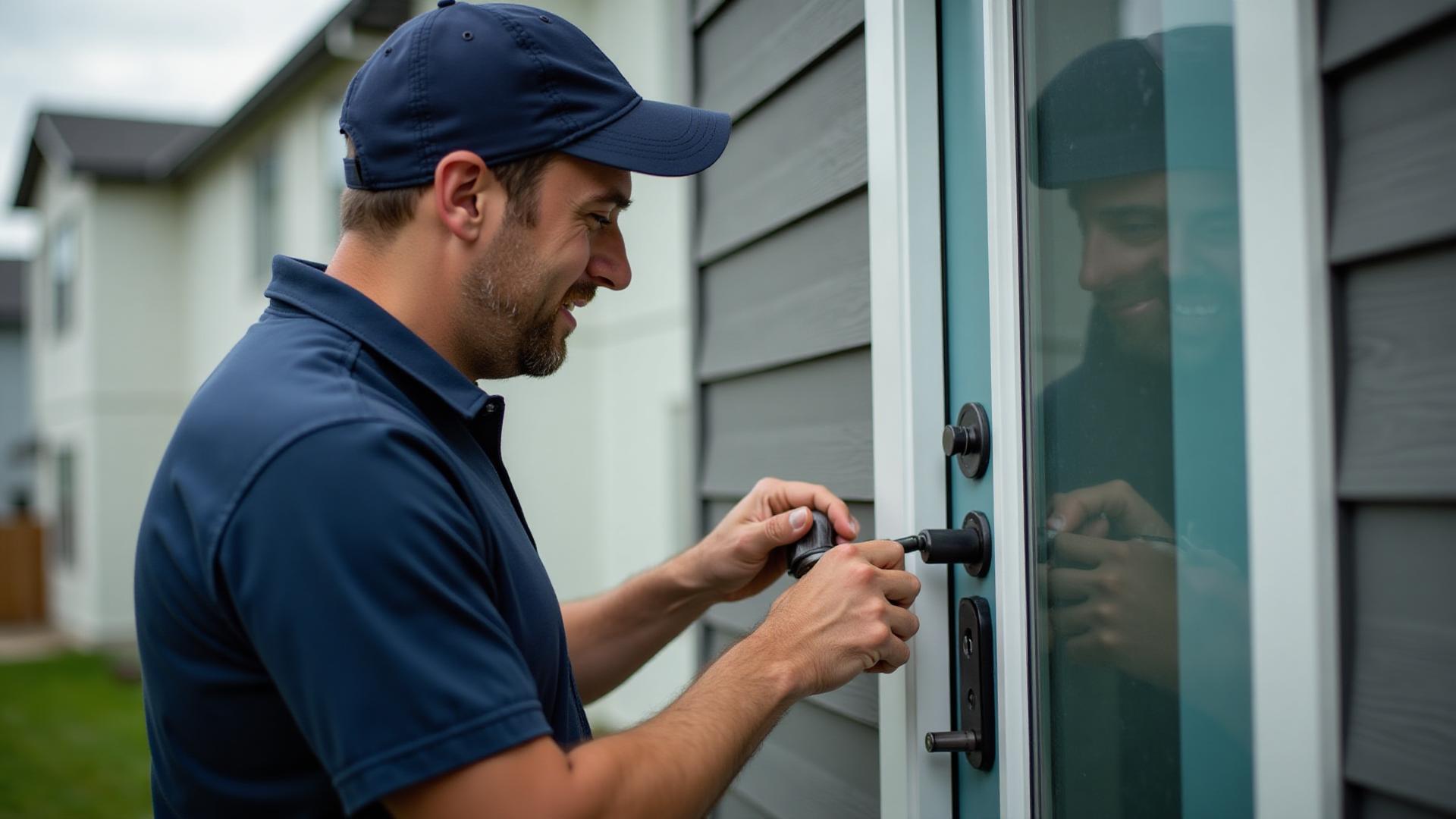
This is useful in several situations. After a roommate moves out, after a rental tenant leaves, or when you have simply lost track of who has copies of your key, rekeying gives you a fresh start. It is also a quick way to make all the locks in a house work with a single key, a setup known as keying alike. Instead of carrying a ring full of different keys, you can have one key open the front door, the back door, and the garage entry.
Rekeying does not affect electronic or smart lock components. A keypad lock or a smart lock that uses access codes and Bluetooth still functions exactly as before. The physical key override on such locks can be rekeyed, but the digital access methods remain unchanged. If you want to change the access codes, you do that separately through the lock's programming menu.
What Rekeying Does Not Address
Rekeying does not improve the lock's resistance to physical attack. A lock that is vulnerable to bumping, picking, or drilling remains just as vulnerable after rekeying. The pins change, but the overall security rating of the lock stays the same. For homes in areas with higher security concerns, replacing the entire lock with a higher-grade deadbolt may be a better investment.
Rekeying also does not fix installation problems. If the strike plate is not aligned with the latch, or if the deadbolt does not fully extend into the door frame, rekeying will not solve the issue. A misaligned lock can bind, wear out quickly, or fail to secure the door properly. Those problems require adjusting the strike plate or shimming the hinges, not just changing the pins.
Another limitation is that rekeying cannot convert a lock to a different keyway system. If you want to upgrade to a high-security key system that uses a restricted key blank, you generally need a new cylinder or an entire new lock. Rekeying only works with the existing cylinder and keyway. The most reliable options for changing locks when you need a different keyway involve replacing the cylinder or the whole lock assembly.
Master Key Systems and Rekeying
In a home where different locks need different levels of access - such as a main door that opens with a common key and a private office that opens with a separate key - a master key system can be created through rekeying. The locksmith pins each cylinder so that both a change key and a master key operate it. This is common in multi-unit buildings or homes with rental suites. Rekeying makes it possible without replacing any hardware.
But master keying introduces a trade-off. The more levels of keying you add, the more complex the pin stack becomes, and that can slightly reduce the lock's resistance to picking. For most residential situations, a simple single-key setup is plenty secure. Master keying is best left to situations where the convenience clearly outweighs the small security trade-off.
When Rekeying Makes Sense
Rekeying is ideal when the existing lock is in good condition and you simply need new keys. It is fast, affordable, and does not require new hardware. It is also a good choice if you want to match several locks to one key without replacing them all. For a typical home lock installation, rekeying can be done on the spot without drilling or major disassembly.
It is not the right choice when the lock body is damaged, when you need a higher security grade, or when you want to upgrade to a smart lock. In those cases, replacing the lock entirely gives you a better outcome. A new deadbolt from a reputable brand offers improved materials, better bump resistance, and often a longer warranty. Rekeying cannot give you those benefits.
What to Look For in a Lock Before Rekeying
Before you decide to rekey, take a close look at the lock. Check for signs of wear: a loose handle, a cylinder that wiggles, or a latch that does not retract smoothly. If any of those are present, the lock may need replacement rather than rekeying. Also check that the screws holding the strike plate are long enough to reach into the door frame. Short screws are a common weak point that rekeying does not address.
The material of the lock matters too. Locks made of brass or steel hold up better over time than those made of cheaper alloys. A lock that feels light or flimsy in your hand may not be worth rekeying. Replacing it with a solid deadbolt gives you better peace of mind.
If you have a smart lock with a key override, you can rekey the mechanical cylinder portion while leaving the electronic parts intact. That gives you the convenience of keypad entry and the security of a fresh key for the backup. Just be sure the smart lock's cylinder is removable and that replacement pins are available for that model. Not all smart locks are designed to be rekeyed; some use a one-piece cylinder that must be replaced as a unit.

The Bottom Line on Rekeying
Rekeying is a practical, cost-effective way to regain control of who can open your doors. It changes the key that works in the lock while leaving the hardware in place. It does not upgrade the lock's physical strength, fix installation problems, or convert the lock to a different keyway. Knowing those limits helps you decide whether rekeying is enough or whether a full replacement is the smarter path.
For most homeowners, the decision comes down to the condition of the existing lock. A solid lock that is simply keyed to the wrong key is a perfect candidate for rekeying. A worn or low-security lock is better replaced. Either way, the goal is the same: a door that locks securely and only opens for the people you trust.